Most aid is paid against a promise.
Here, every donation waits in an escrow the charity cannot touch.
It pays out stage by stage, and only when the proof holds up in public.
If the proof fails, the money goes back to the donors.
Where the work is
Six projects, five countries
Drag to turn the globe. Pick a site to fly there.
Mali · Burkina Faso · Uganda · Lebanon · Syria
Aid that only moves when the work is proved.
Your donation waits in an escrow the NGO can never touch. An EDE pays the NGO up front so the work can start; each stage is repaid only once its proof survives anyone's challenge. If it doesn't, the money comes back to you automatically.
Finished projects
Where the money went
Three projects that ran their course. One delivered, one didn't, one half did. In every case the chain shows who was paid and who was refunded.
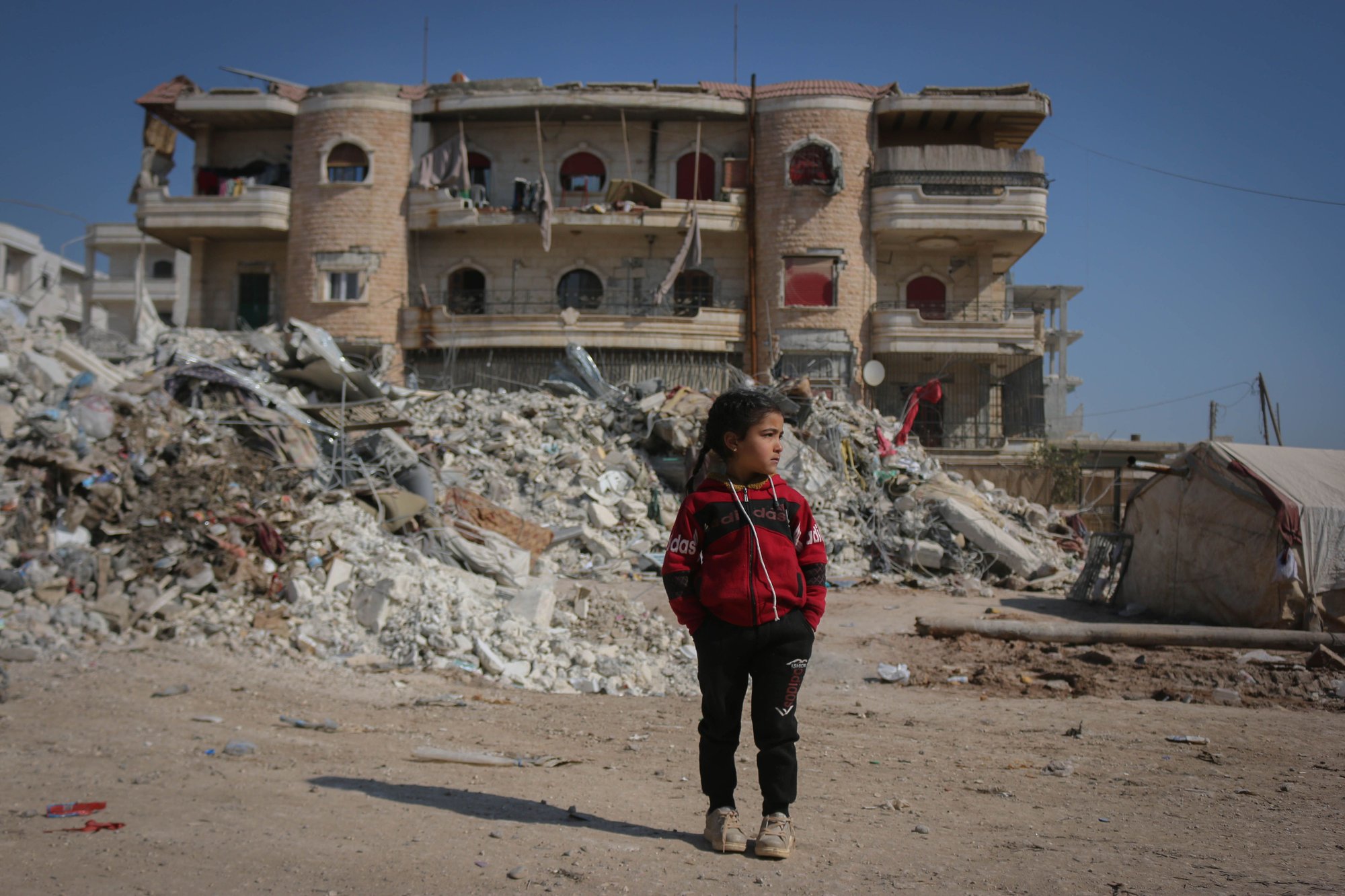 Delivered in fullSarmada, Idlib, Syria
Rebuilding earthquake-destroyed homes
Twelve family homes rebuilt to seismic code after the 2023 earthquake. Every stage proved, every tranche paid.
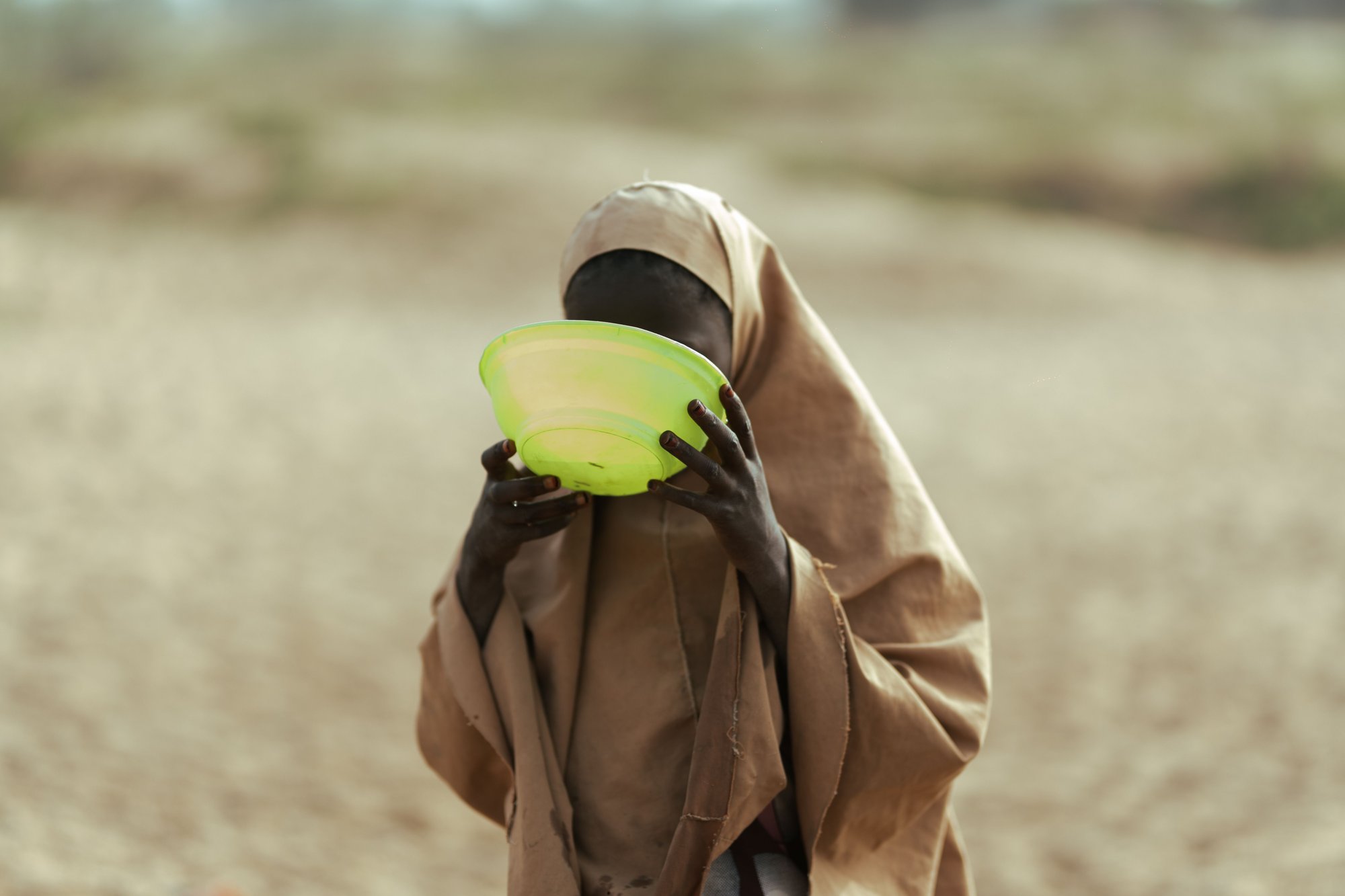 Failed, donors refunded in fullSégou, Mali
Borehole and handpump
The NGO proved its first stage with an AI-generated photo. Donors caught it and were refunded in full.
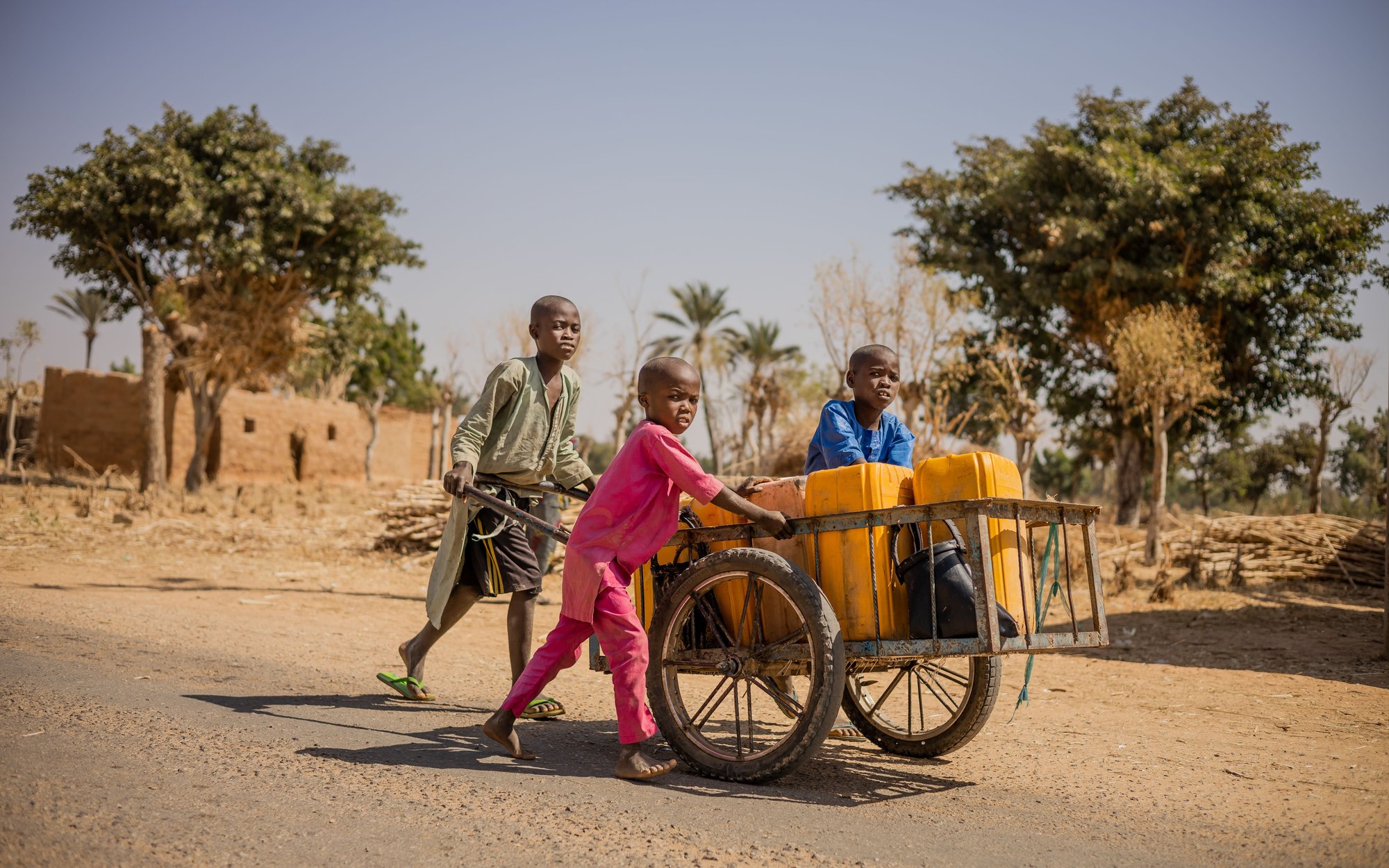 Partially deliveredMopti, Mali
Borehole and handpump
Drilled and installed, never handed over. Two tranches paid, the third returned.
How PROVEIT works
A donation becomes collateral, not a transfer
- 1The money waits where nobody can take it
Each project is split into stages, and each stage's budget sits in a smart contract. It has no owner, no admin key and no function of any kind that pays the NGO.
- 2An EDE pre-finances the work
Once a stage is funded, a licensed e-money institution pays the NGO in euros up front and registers itself as the contract's only payee. Proof repays the EDE and clears the NGO's debt; failure refunds the donors and leaves the NGO owing the EDE.
- 3Proof that anyone can challenge
Every stage is judged against a rule fixed before the first donation, the way prediction markets settle:
- Rule fixed, the exact test and its source of truth are hashed into the contract.
- Asserted, anyone proposes the outcome and posts a bond.
- Window, an hour in which anyone can look at the evidence.
- Disputed, with a matching bond, or free by donors' flags.
- Voted, stakers vote in secret. The voters get half the loser's bond, and a voter in the minority is slashed; that stake goes to the other voters.
- Paid, the contract pays the EDE, or refunds every donor. Nobody signs off.
What no contract can prove is that a photograph is honest. That is why the rule says what counts as a photograph, and why anyone can be paid for catching one that doesn't. Check any escrow yourself →
Raising now
Three projects, two regions
Pick one. Donate, press Next step, and watch the proof, the dispute and the payout (or the refund) happen on a real chain.
Why this exists
A report is not proof.
Aid is still mostly paid against promises and checked, if ever, long after the money is spent. The people it was for find out last. Here the money does not move until the proof has stood in public. When the proof does not stand, the money goes back.
Open for donations
Try it: each project runs a different story
Start with Lebanon: the NGO submits an AI-generated photograph as proof, and it is caught. To see a stage pass on real photographs and video, open the finished Syria project above.
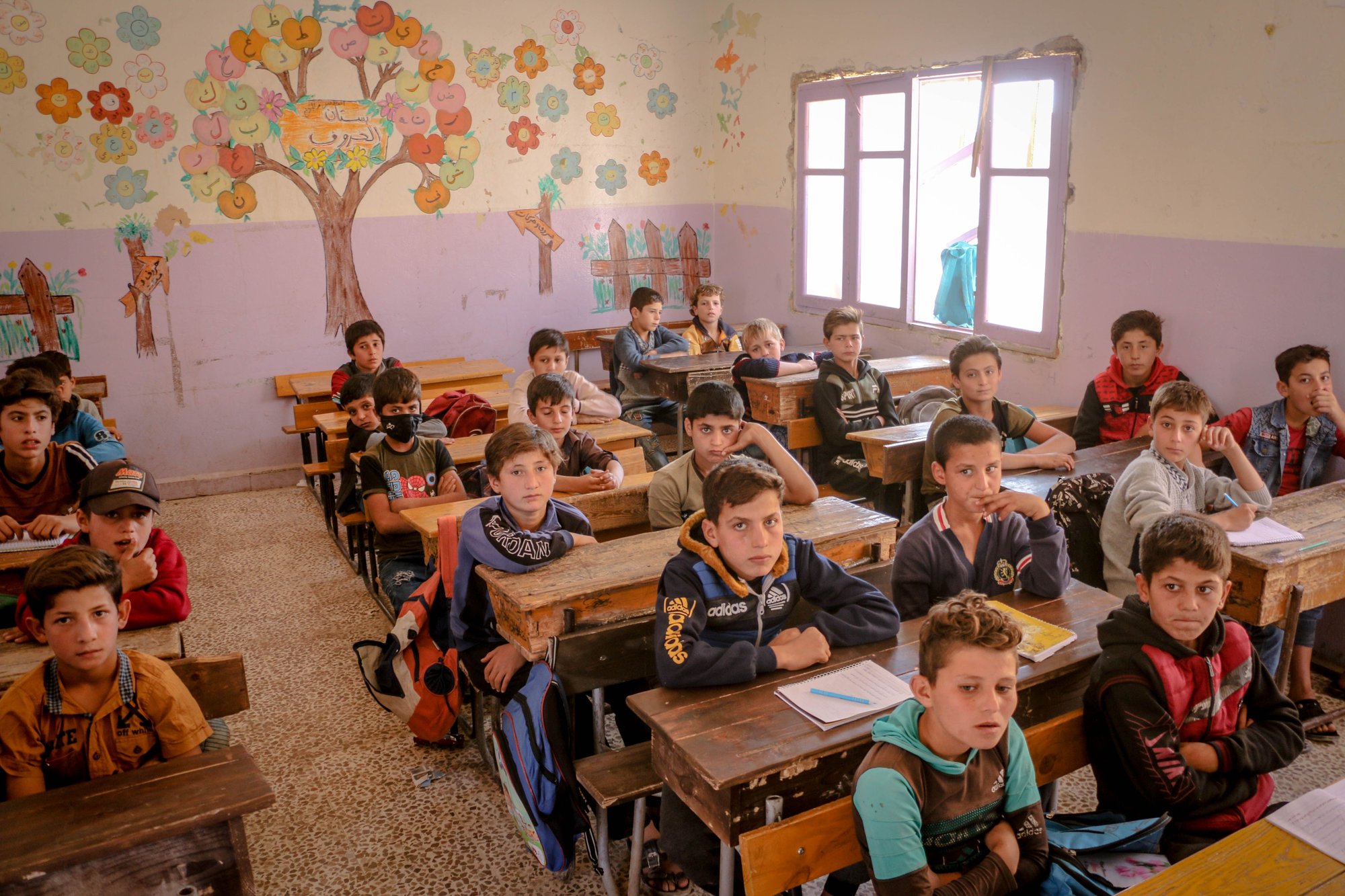 Lebanon
School kitchen and cold storage
A working kitchen and cold store so 420 pupils get a hot meal every school day. Open for donations now.
 Uganda
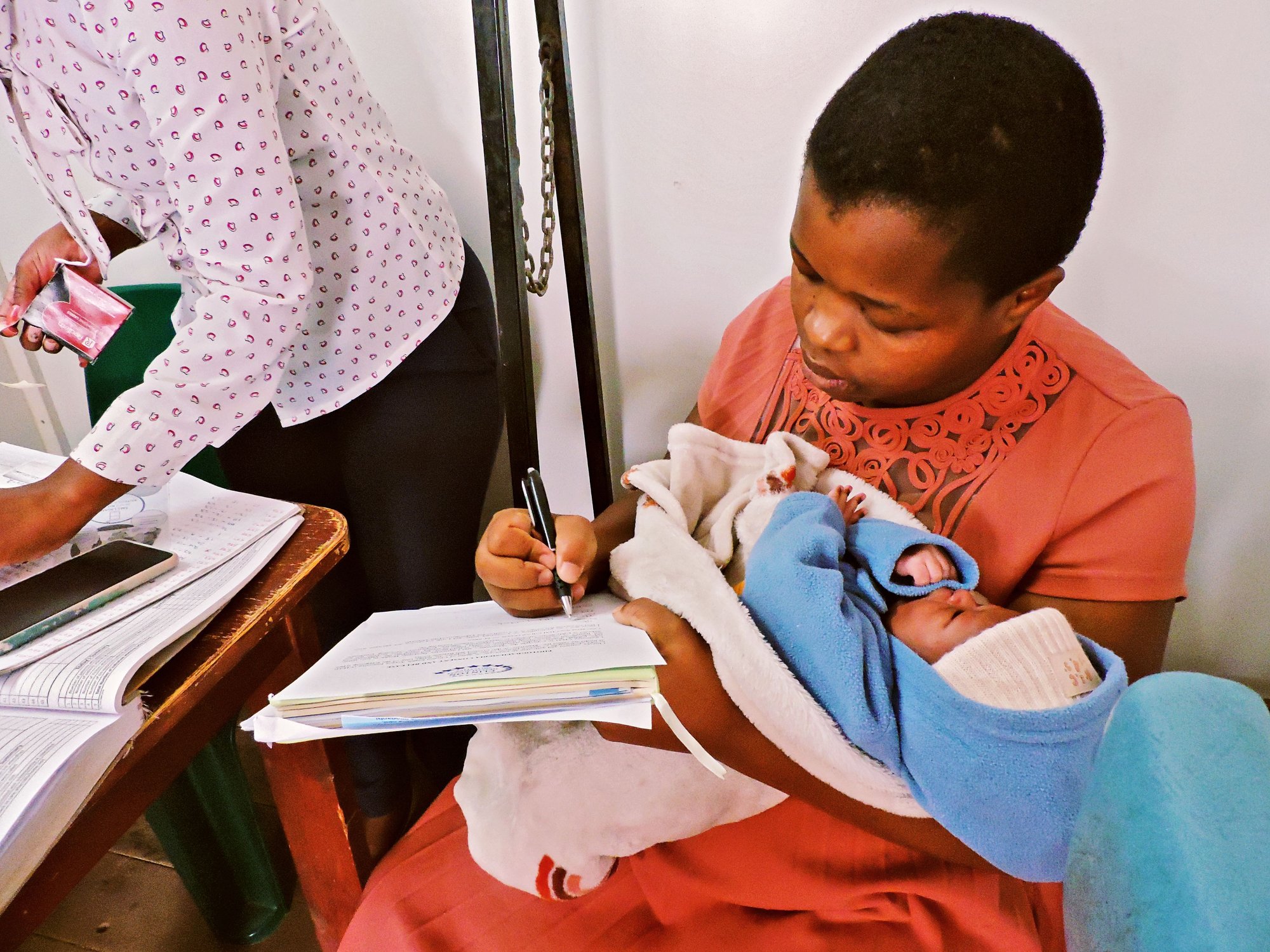
Maternal health clinic resupply
Cold chain and consumables for a maternal health post. Open for donations now.
 Burkina Faso
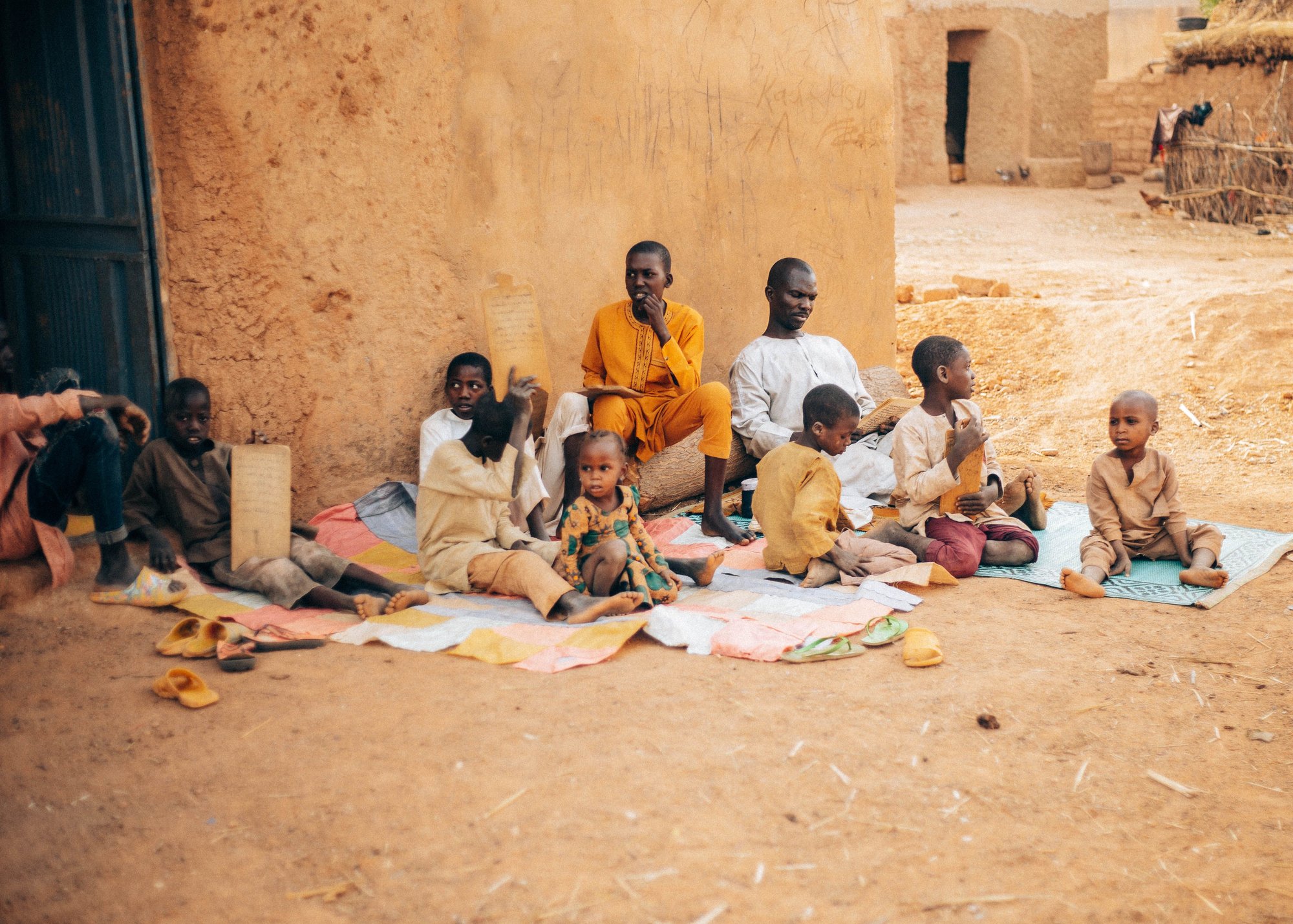
Two-classroom school rebuild
Two classrooms for 80 displaced children. Open for donations now.
When the proof stands
The money moves, and the debt is gone.
When a stage is proved, the contract repays the EDE that fronted the work and the NGO's debt is gone. Every euro reaches the people who did the work, and nothing reaches anyone who hadn't earned it.